Clearer decisions when leadership and performance challenges get complicated.
Bridgewell helps HR leaders, executives, and mission-driven organizations resolve difficult people, performance, and leadership challenges with clarity and confidence.
Practical strategy. Confidential support.
Measurable progress.







Strategic Facilitation
High-impact facilitation to help misaligned teams or boards get clear, get focused, and move forward - without endless meetings, power struggles, or vague next steps.
Leadership Workshops
High-impact workshops and keynotes for all audience levels that deliver the strategies, decision-making, and mindset shifts of months of coaching - in 60 to 90 minutes.
Choose the support that fits the challenge you need to solve.
For organizations & HR leaders
Resolve difficult performance and leadership situations before they create more risk, disruption, or delay.
For executives & individual leaders
Get confidential, strategy-first support for high-stakes decisions, leadership pressure, and career inflection points.
📣 Join our Monthly Live Career Strategy Clinic
Bring one career or leadership challenge.
Leave with a clearer next move.
Trusted by
mission-driven organizations
Trusted by leaders and teams at USC, Forbes School of Business, Lowe’s, GSK, and other national organizations.
“Within minutes of our consultation, I knew Asia was the coach for me. Her warmth, insight, and professionalism made it clear I could trust her guidance.
— Client and Senior Healthcare Leader






Client Results
Speaking & Training
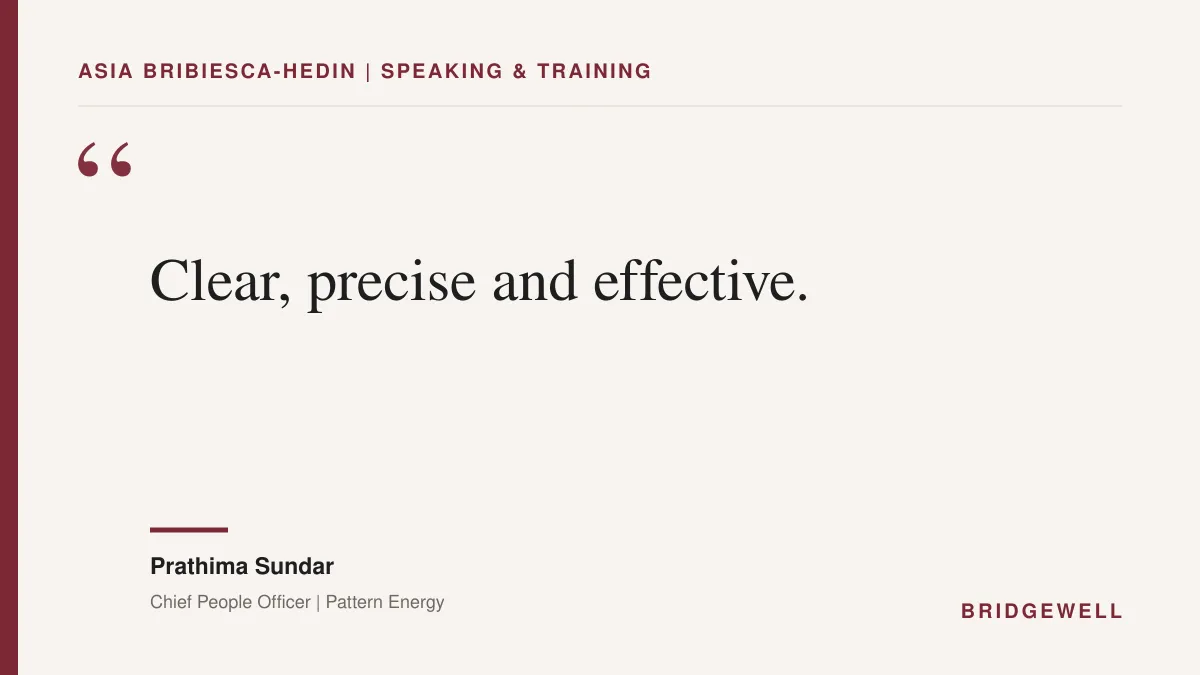
Performance Advisory & Alignment
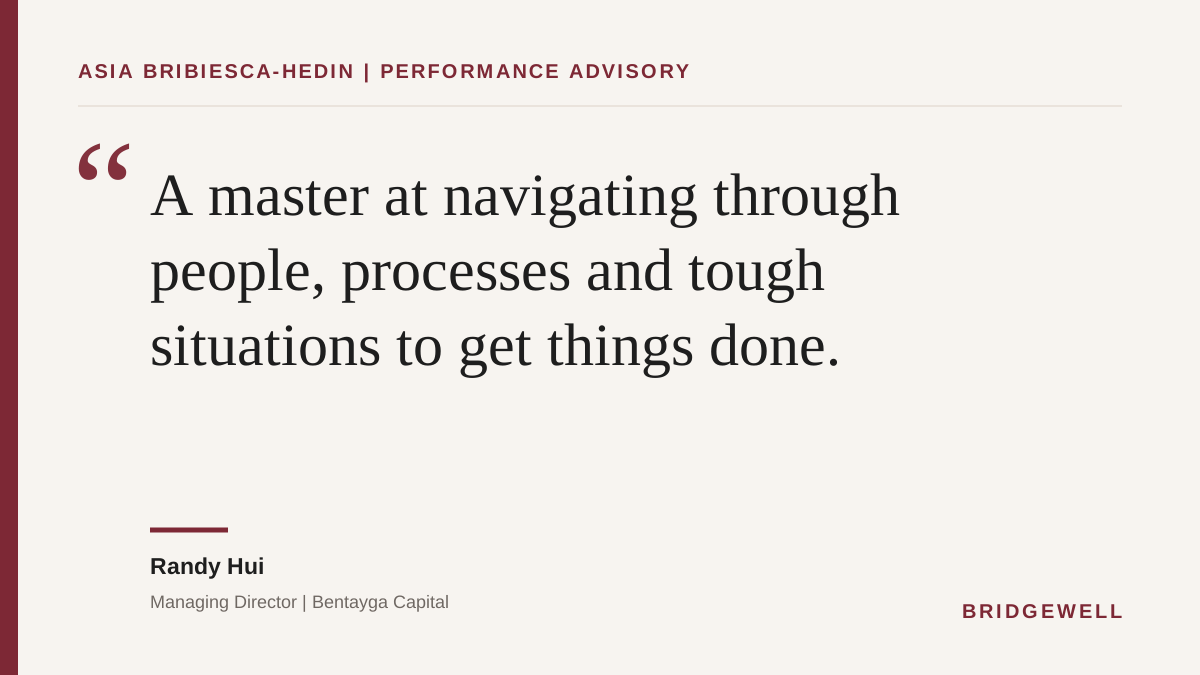
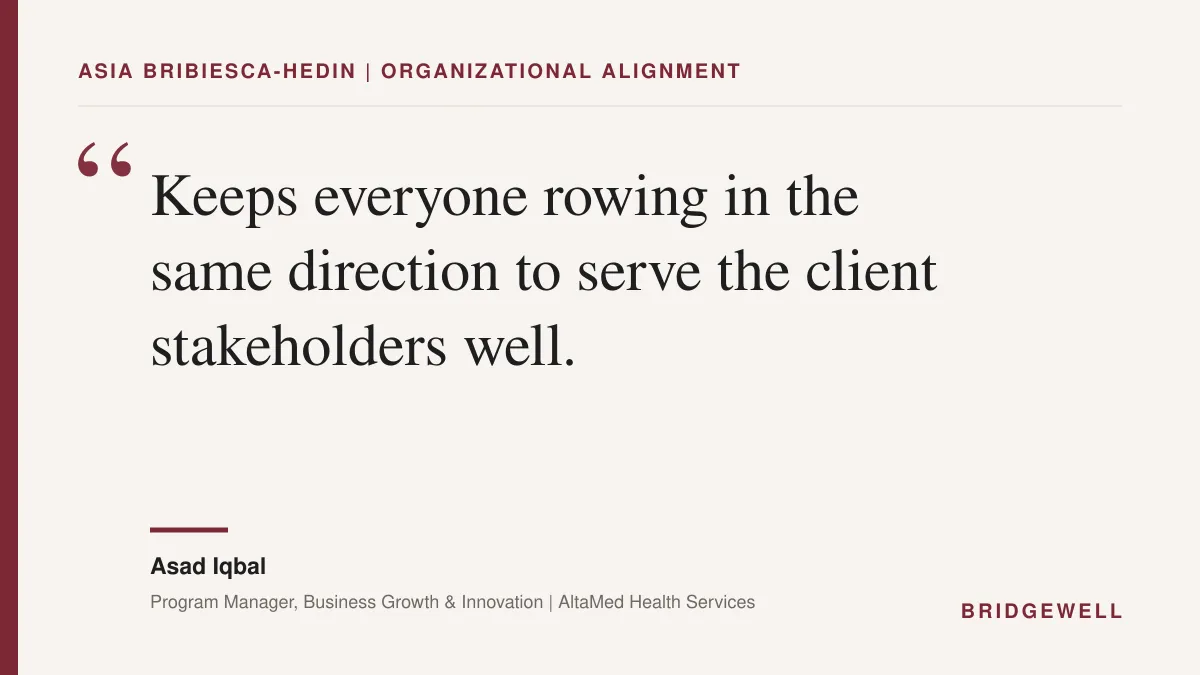
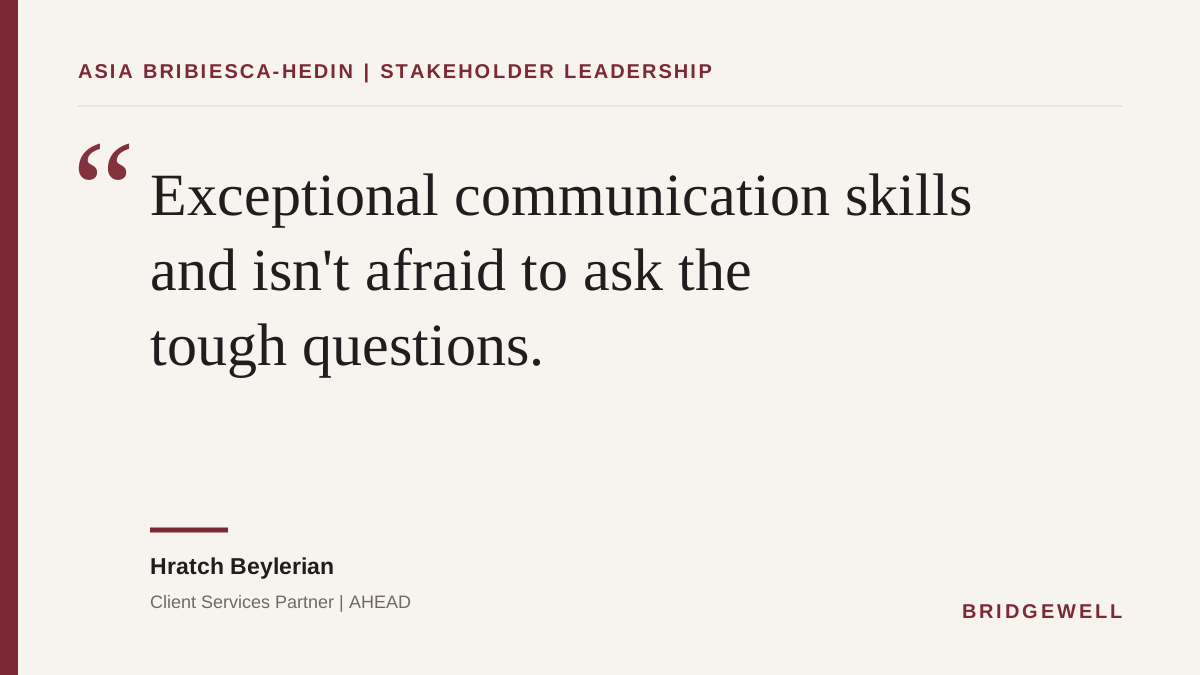
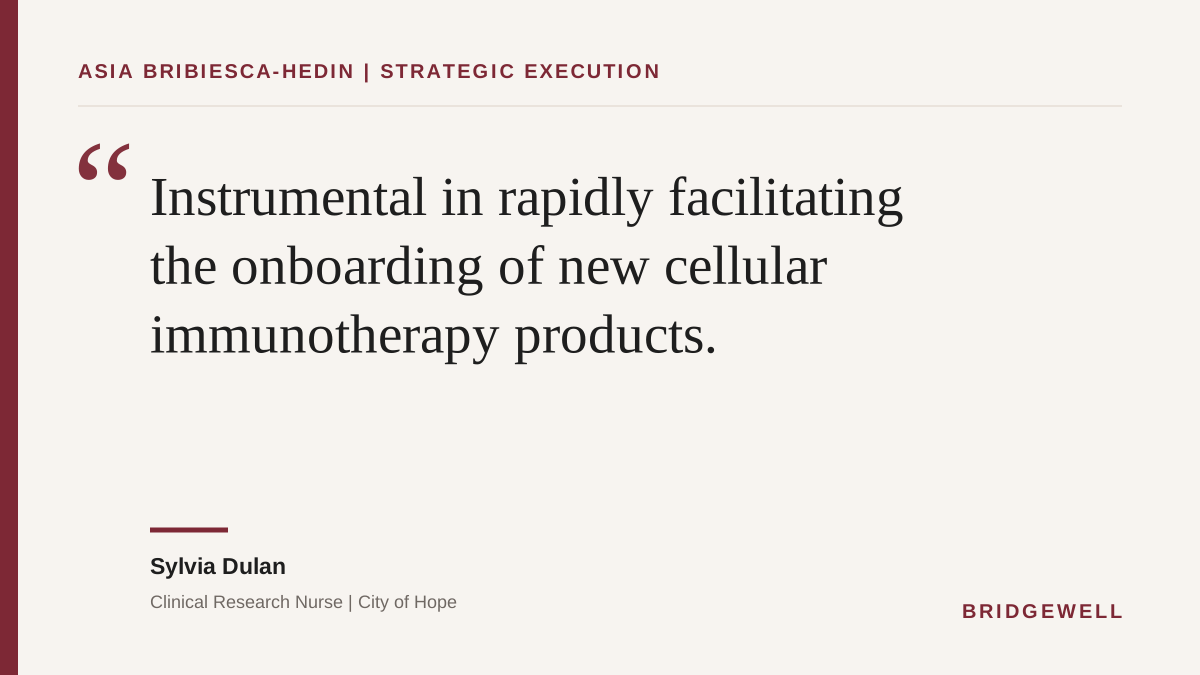
We track client progress ensuring results are unmistakable and quantifiable.

92% of clients in our group and 1:1 leadership programs self-reported improvement on their before and after Leadership Index results.
Executive Coaching
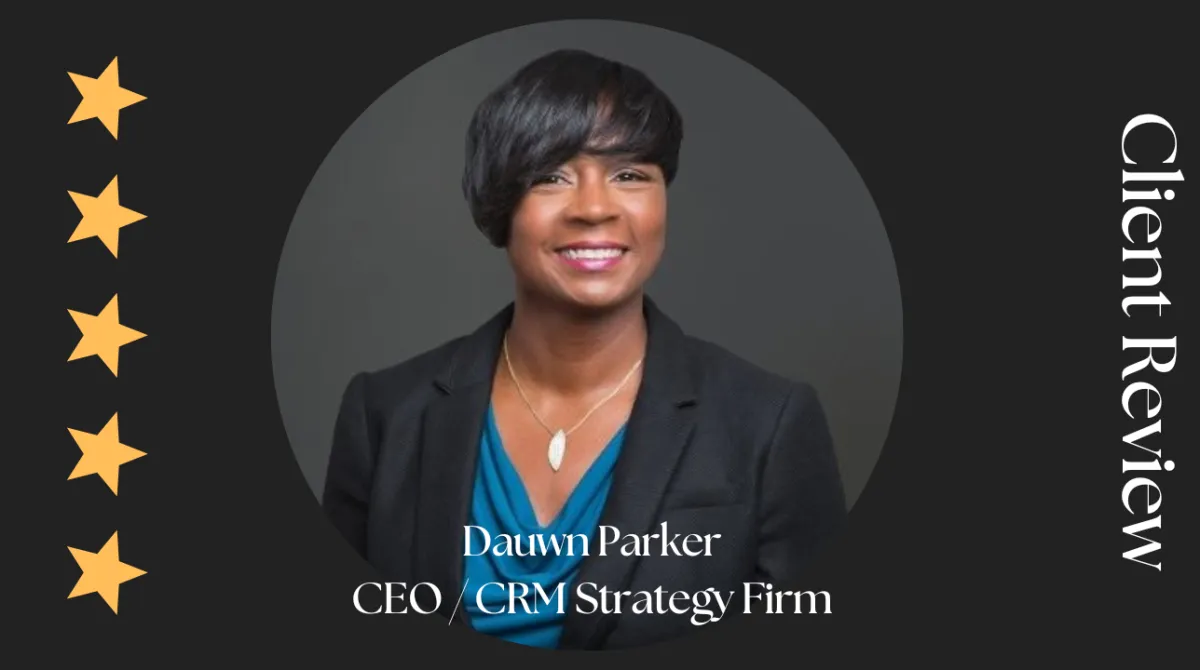
"Leading my business
with clarity"
I went from a limited pipeline to signed deals and a clear strategic direction. I’m no longer in survival mode - I’m leading my business with focus and relief for the future.
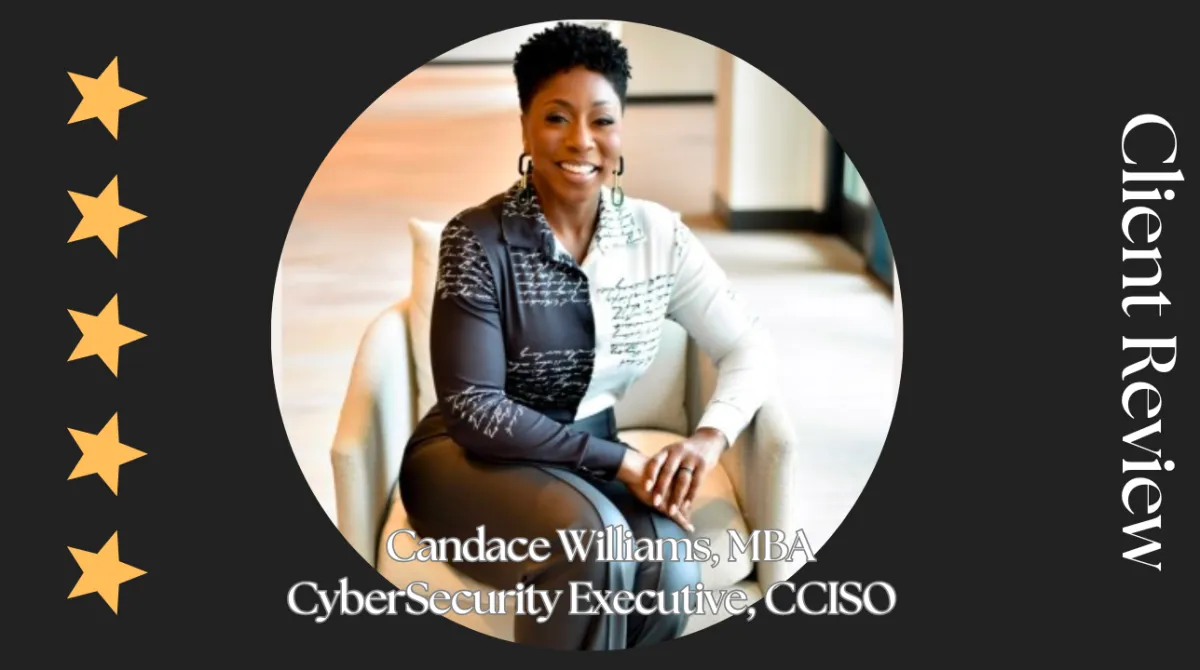
"Confidence and visibility
transformed my career"
Asia helped me face fears I’d avoided for years - from public speaking to building my personal brand. She tailored the process to my goals, helping me grow in confidence and visibility as an executive.
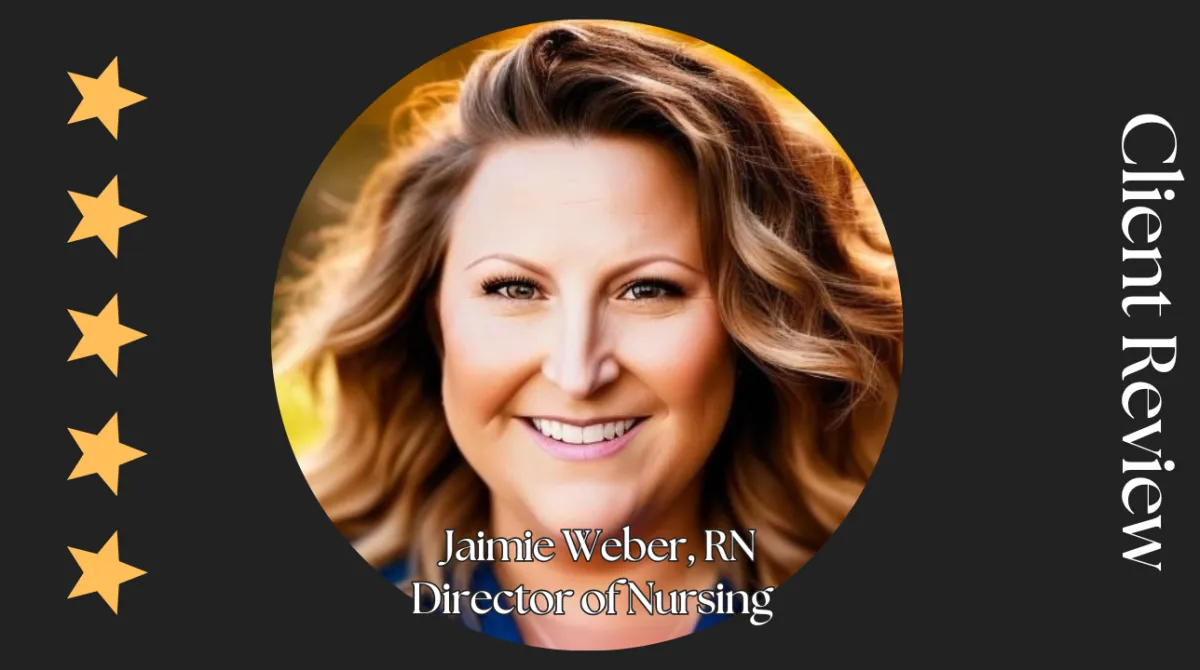
"Immediate trust
and insight"
Within minutes of our consultation, I knew Asia was the coach for me. Her warmth, insight, and professionalism made it clear I could trust her guidance.
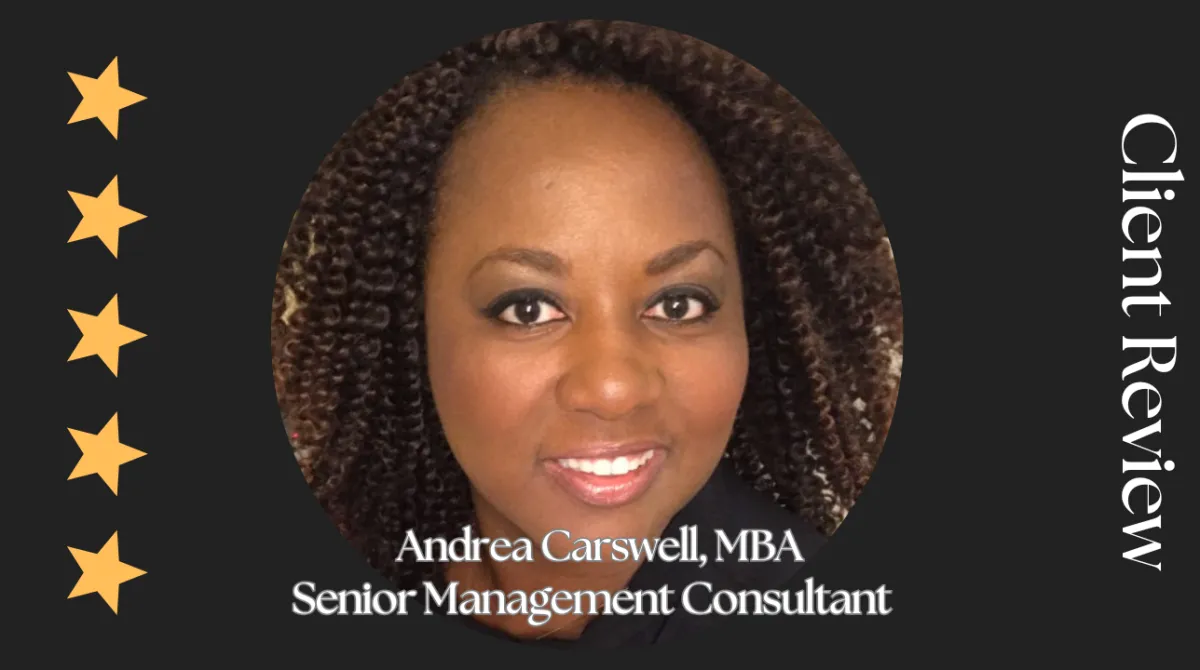
"A complete career
transformation"
I stepped out of my comfort zone, built relationships I never would have before, and landed a senior role I love. The intentional focus completely shifted my confidence.
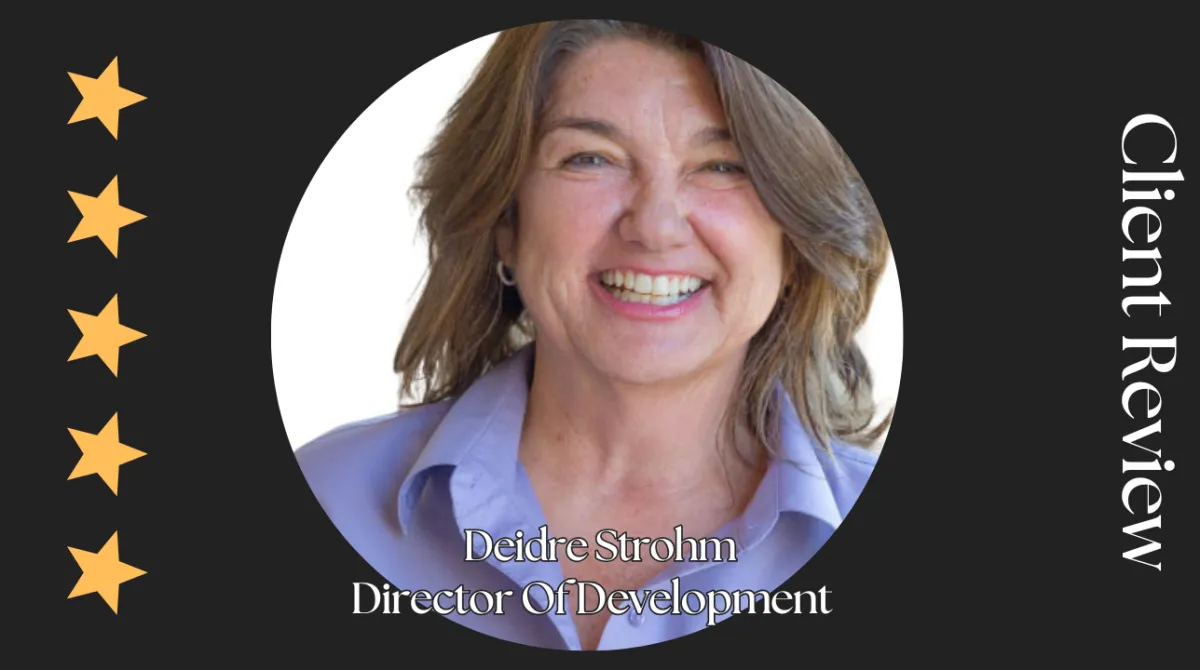
"Hearing my own voice clearly"
Asia’s coaching changed how I hear myself. She doesn’t hand you answers - she helps you find your own voice and clarity. That shifted how I lead and make decisions.
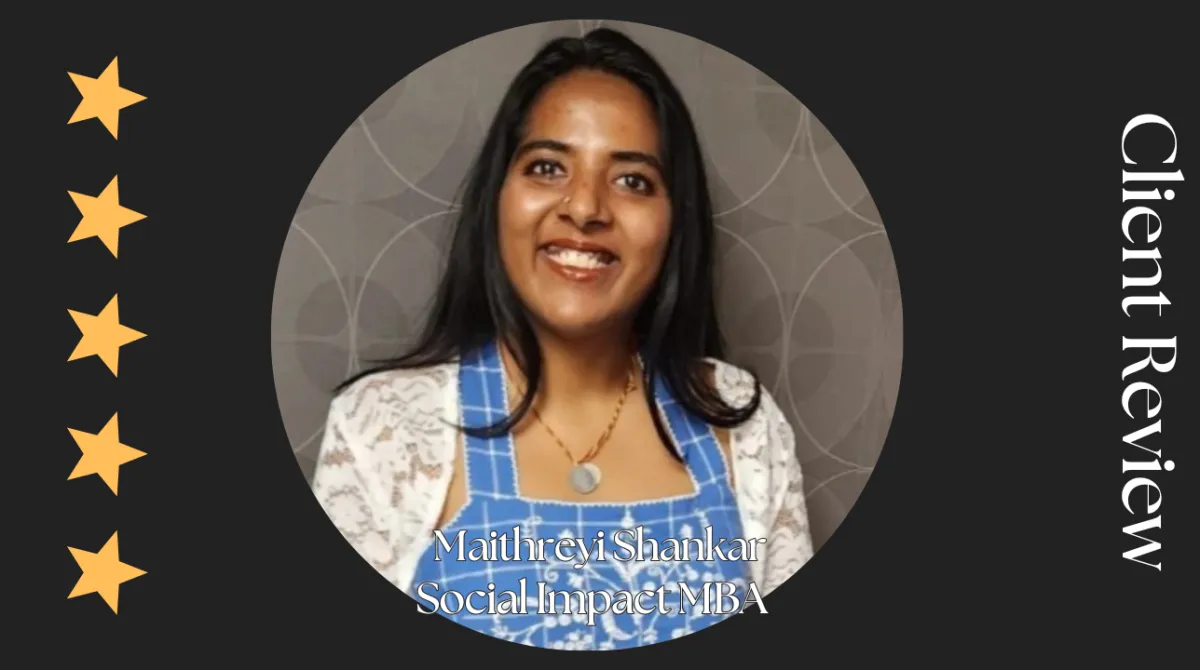
"Redefined success on my own terms"
Within months, I went from being unsure and stuck to landing the opportunity I really wanted. Asia helped me define success and make it real.
Sign up for our career
& leadership articles.
Insights for real leadership, real careers, real life.

Leadership Blind Spots: When Your Habits Become Your Team’s Problem
“Until you make the unconscious conscious, it will direct your life, and you will call it fate.” — Carl Jung
We all have leadership blind spots: patterns we cannot see, habits we no longer question, and behaviors we have normalized because they once worked.
The difficult part is that those blind spots do not affect only you. They ripple through your team.
What leadership blind spots look like on a team
You may feel the symptoms long before you recognize the pattern:
A capable team member stops taking initiative.
A high performer begins pulling back or withholding ideas.
Meetings consume energy without producing clear decisions.
People wait for your approval even when you want them to act independently.
The same communication or accountability problem keeps returning.
It is easy to conclude that the team is disengaged, resistant, or simply not performing. Sometimes that is true. But sometimes the team is responding rationally to a leadership pattern you are too close to see.
The gap between your intention and your impact
You may intend to be helpful while repeatedly taking the work back. You may believe you are creating high standards while your team experiences only criticism. You may think you are inviting honest input while people have learned that disagreement carries a cost.
Intent matters—but your team has to operate inside the impact.
That is why leadership self-awareness is more than knowing your strengths or personality type. It requires examining what people have learned to do around you.
Why an outside perspective matters
Blind spots are difficult to identify through reflection alone. If you could already see the pattern clearly, it would not be a blind spot.
Ask someone who understands your work and wants to see you succeed:
What do I do that makes it easier for people to perform well?
What do I do that unintentionally makes the work harder?
When does my behavior differ from the kind of leader I believe I am?
Ask for examples rather than general impressions. Evidence is far more useful than reassurance.
How to surface a leadership blind spot before it spreads
Look for repeated patterns. One difficult interaction may be situational. The same problem across several people deserves closer attention.
Compare intention with impact. Ask what you hoped would happen and what people actually did afterward.
Notice what your team has stopped doing. Silence, hesitation, fewer ideas, and constant escalation can all be learned responses.
Test one small change. Ask a better question, clarify a decision boundary, or allow a reasonable choice to stand.
Review the result honestly. Did the team respond differently when your leadership behavior changed?
Where might your leadership be creating the problem you are trying to solve?
This is not an invitation to blame yourself for every team challenge. It is an invitation to reclaim the part you can influence.
The Intentional Leadership Index helps you identify potential gaps across Self Mastery, Role Mastery, Goal Mastery, and Team Mastery—so you can see where your leadership is strong and where an unseen pattern may be limiting your impact.
Take the Intentional Leadership Index.
Go out there and lead,
Asia

How you lead matters.
Sign up for our Skip Level Strategies newsletter, where you'll receive leadership, life and career support you can use.
Bridgewell LLC - Strategy and Leadership